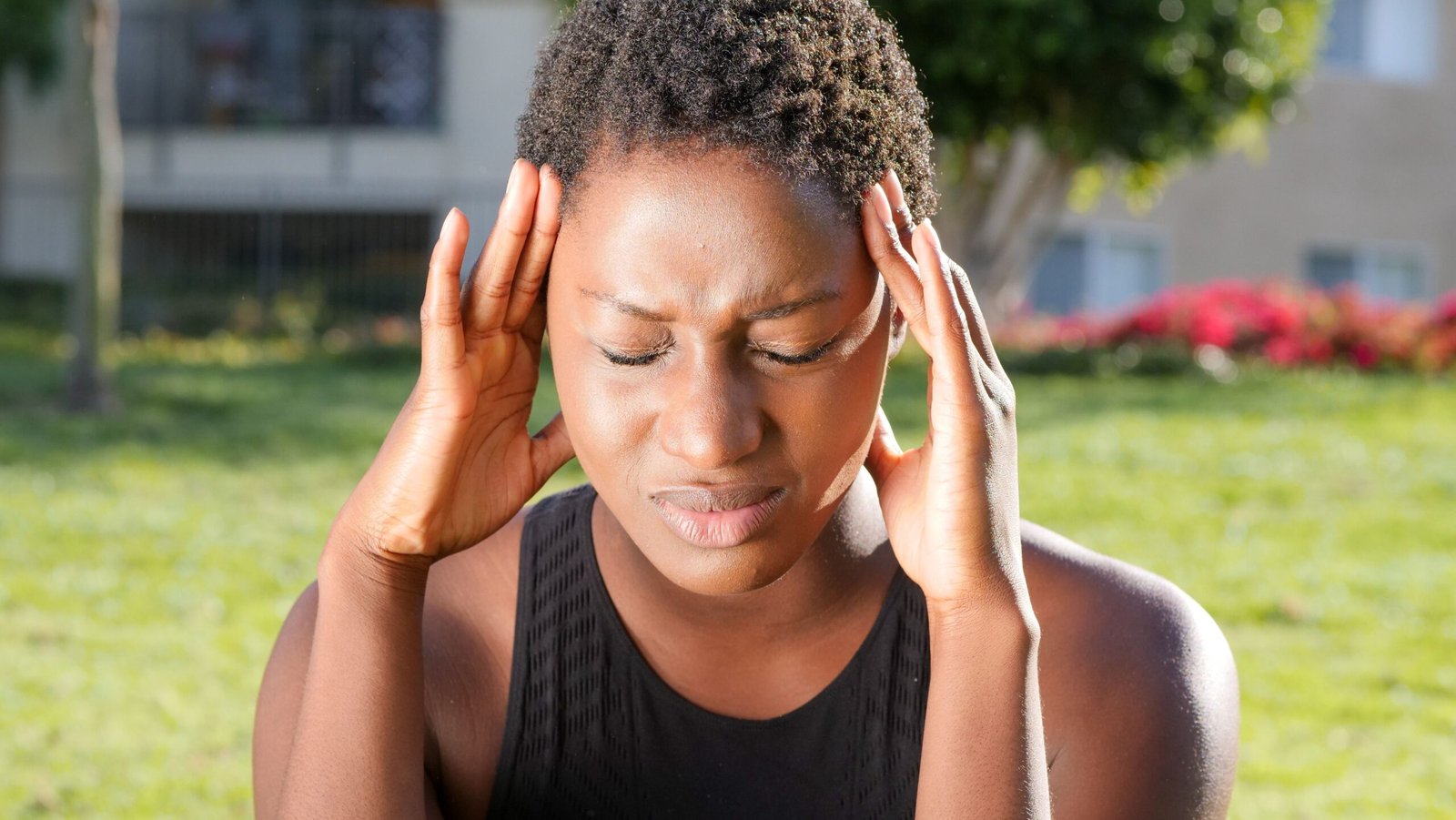
Stress is a natural part of life, but for many women, stress goes far beyond occasional pressure. Women’s stress is often shaped by social expectations, emotional responsibilities, health factors, and the constant need to balance multiple roles at once. Understanding women’s stress—its causes, symptoms, and solutions—is an important step toward improving mental, emotional, and physical well-being.
This article explores why women experience stress differently, how to recognize the warning signs, and practical ways women, families, and society can reduce its impact.
What Is Stress? A Simple Explanation
Stress is the body’s natural response to challenges, demands, or threats. When faced with stress, the body activates the “fight-or-flight” response, releasing hormones like cortisol and adrenaline to help deal with the situation.
There are two main types of stress:
- Acute stress: Short-term stress caused by immediate challenges, such as deadlines or sudden problems.
- Chronic stress: Long-term stress that continues for weeks, months, or even years. This type of stress is more harmful and common among women.
When stress becomes chronic and unmanaged, it can negatively affect mental health, physical health, and overall quality of life.
Common Causes of Stress in Women
Women’s stress often comes from a combination of personal, social, and biological factors rather than a single cause.
Social and Cultural Expectations
Many women face pressure to meet high expectations in every area of life. Society often expects women to be caring, patient, emotionally available, successful, and selfless—all at the same time. Trying to meet these expectations without enough support can be overwhelming.
Women may feel judged for their choices, whether they focus on family, career, or personal goals, leading to constant stress and self-doubt.
Work and Career-Related Stress
Stress in the workplace is a major contributor to women’s stress. Common factors include:
- Unequal opportunities or pay
- Job insecurity
- Work overload
- Balancing work responsibilities with family life
For many women, especially working mothers, the pressure does not end after office hours. The “second shift” at home adds to mental and physical exhaustion.
Family and Relationship Responsibilities
Women often carry a large share of emotional and caregiving responsibilities. These may include:
- Raising children
- Caring for elderly parents or relatives
- Managing household tasks
- Providing emotional support to family members
This invisible emotional labor is rarely acknowledged but is a major source of stress in women.
Financial Stress
Financial pressure is another common cause of stress in women. Limited financial independence, income instability, debt, or responsibility for household expenses can create constant worry and anxiety, especially in uncertain economic conditions.
Health and Biological Factors
Hormonal changes play a significant role in women’s stress levels. Menstruation, pregnancy, childbirth, postpartum changes, and menopause can all affect mood, energy, and emotional balance. Chronic health issues or fatigue can further increase stress.
Symptoms of Stress in Women
Stress does not affect every woman the same way. Symptoms may be emotional, physical, or behavioral, and they are sometimes mistaken for normal tiredness or mood changes.
Emotional and Mental Symptoms
Common emotional symptoms of stress in women include:
- Constant worrying or anxiety
- Mood swings or irritability
- Feeling overwhelmed or emotionally drained
- Loss of motivation or interest in activities
- Persistent sadness or feelings of hopelessness
Physical Symptoms
Stress often shows up in the body. Physical symptoms may include:
- Headaches or migraines
- Muscle tension and body pain
- Chronic fatigue
- Sleep problems or insomnia
- Digestive issues
- Changes in appetite or weight
Behavioral Symptoms
Stress can also affect daily behavior, such as:
- Social withdrawal
- Difficulty concentrating
- Procrastination
- Increased use of caffeine or unhealthy coping habits
- Emotional outbursts or frequent crying
Recognizing these symptoms early can help prevent long-term health problems.
The Impact of Long-Term Stress on Women’s Health
When stress is ignored or normalized, it can lead to serious health consequences. Long-term stress in women is linked to:
- Anxiety disorders and depression
- Hormonal imbalance
- Weakened immune system
- Increased risk of heart disease
- Burnout and emotional exhaustion
Chronic stress also affects relationships, productivity, and overall life satisfaction. Managing stress is not a luxury—it is essential for long-term health.
Healthy Ways Women Can Manage and Reduce Stress
Stress management for women does not require perfection. Small, consistent changes can make a big difference.
Lifestyle Changes
Healthy daily habits help reduce stress naturally:
- Prioritizing sleep and rest
- Engaging in regular physical activity, even light exercise
- Eating balanced, nutritious meals
- Staying hydrated
These habits support both mental and physical resilience.
Emotional and Mental Well-Being Practices
Simple practices can help women reconnect with themselves:
- Deep breathing or mindfulness exercises
- Journaling thoughts and emotions
- Setting healthy boundaries
- Allowing time for rest without guilt
Learning to say “no” is a powerful stress-reduction tool.
Social Support
Women should not carry stress alone. Talking openly with trusted friends or family members can ease emotional pressure. Support groups and safe community spaces also help women feel understood and less isolated.
Professional Help
When stress becomes overwhelming, professional support is important. Therapy or counseling provides tools to manage emotions and challenges effectively. Seeking help is a sign of strength, not weakness.
How Families and Society Can Help Reduce Women’s Stress
Reducing women’s stress is not only an individual responsibility. Families, workplaces, and communities play a crucial role.
Supportive actions include:
- Sharing household and caregiving responsibilities
- Emotional support from partners and relatives
- Flexible work environments
- Respecting women’s time, boundaries, and mental health
When women are supported, families and societies benefit as a whole.
Practical Daily Stress-Relief Tips for Women
Here are simple stress-relief habits that can be practiced daily:
- Take a 10-minute quiet break
- Go for a short walk
- Limit screen time before bed
- Practice deep breathing
- Write down worries to clear the mind
- Focus on one small act of self-care each day
Consistency matters more than intensity.
When Stress Becomes Too Much: Warning Signs Not to Ignore
Some signs indicate that stress needs immediate attention:
- Constant emotional exhaustion
- Persistent anxiety or sadness
- Physical symptoms with no clear cause
- Feeling hopeless or disconnected
Ignoring these signs can worsen mental and physical health. Early support can prevent long-term damage.
Conclusion: Supporting Women’s Mental Well-Being
Understanding women’s stress is the first step toward change. Stress in women is not a personal failure—it is often the result of heavy responsibilities, social pressure, and lack of support.
By recognizing the causes, understanding the symptoms, and applying healthy solutions, women can protect their well-being. At the same time, families, workplaces, and communities must create environments where women feel supported, respected, and valued.
Reducing women’s stress is not only about self-care—it is about building a healthier and more compassionate society.
Leave a Reply